RO Membrane Technical Guide
Diagnose the Fouling Before You Clean
A field-ready, five-step symptom checklist to identify the most likely RO membrane foulant and match it with the right cleaning approach—before replacing a recoverable element.
| Likely foulant | Typical pattern | First cleaning direction |
|---|---|---|
| Inorganic scale | Fast flow loss; Stage 2 conductivity and ΔP rise | Acidic cleaner matched to scale type |
| Inorganic colloids | Slow Stage 1 flow loss and ΔP increase | High-pH alkaline cleaning |
| Biological fouling | Rapid ΔP rise across both stages | Non-oxidizing biocide, then alkaline clean |
| Organic fouling | Flow drops while rejection changes little | Alkaline cleaner with suitable surfactant |
| Metal compounds | Flow and rejection fall while ΔP rises | Acidic reducing cleaner |
Start Here: Watch the Vital Signs
Before we dive into specific fouling types, keep an eye on these three key system indicators:
- Permeate flow: How much water is the system producing? Is it dropping slowly or crashing suddenly?
- Salt rejection (or permeate conductivity): Is your product water quality getting worse? Is salt passing through?
- Differential pressure (ΔP): This is the pressure difference between the front (Stage 1) and the back (Stage 2) of the system. A rising ΔP means flow resistance is increasing.
Track how these three change, and you’re already on your way to a diagnosis.
Inorganic Scale — “Limescale” Clogging the Membrane
Typical Symptoms
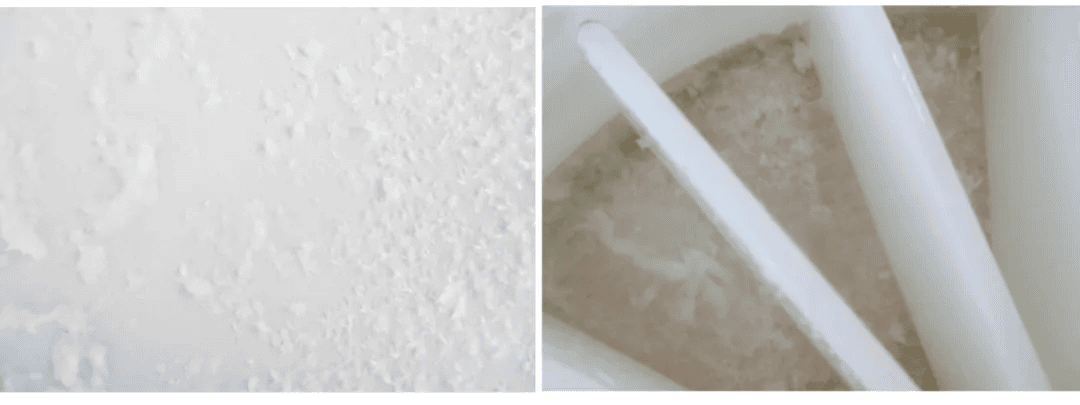
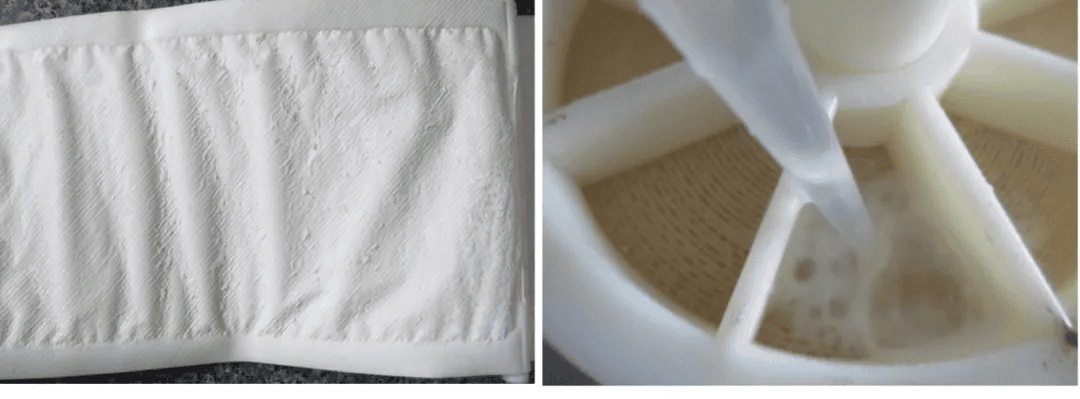
This type hits fast—you might see a big drop in permeate flow within hours or days. At the same time, you’ll notice that the permeate conductivity in Stage 2 (the concentrate end) spikes (water quality gets worse), and the pressure drop across Stage 2 also increases noticeably.
Plain-English Diagnosis
Think of it like limescale building up in your kettle. In the RO system, calcium, magnesium, and other hardness ions get concentrated beyond their solubility limit and crystallize on the membrane surface as “hard scale.” Because Stage 2 has the highest salt concentration, scaling always starts there first.
Cleaning Strategy
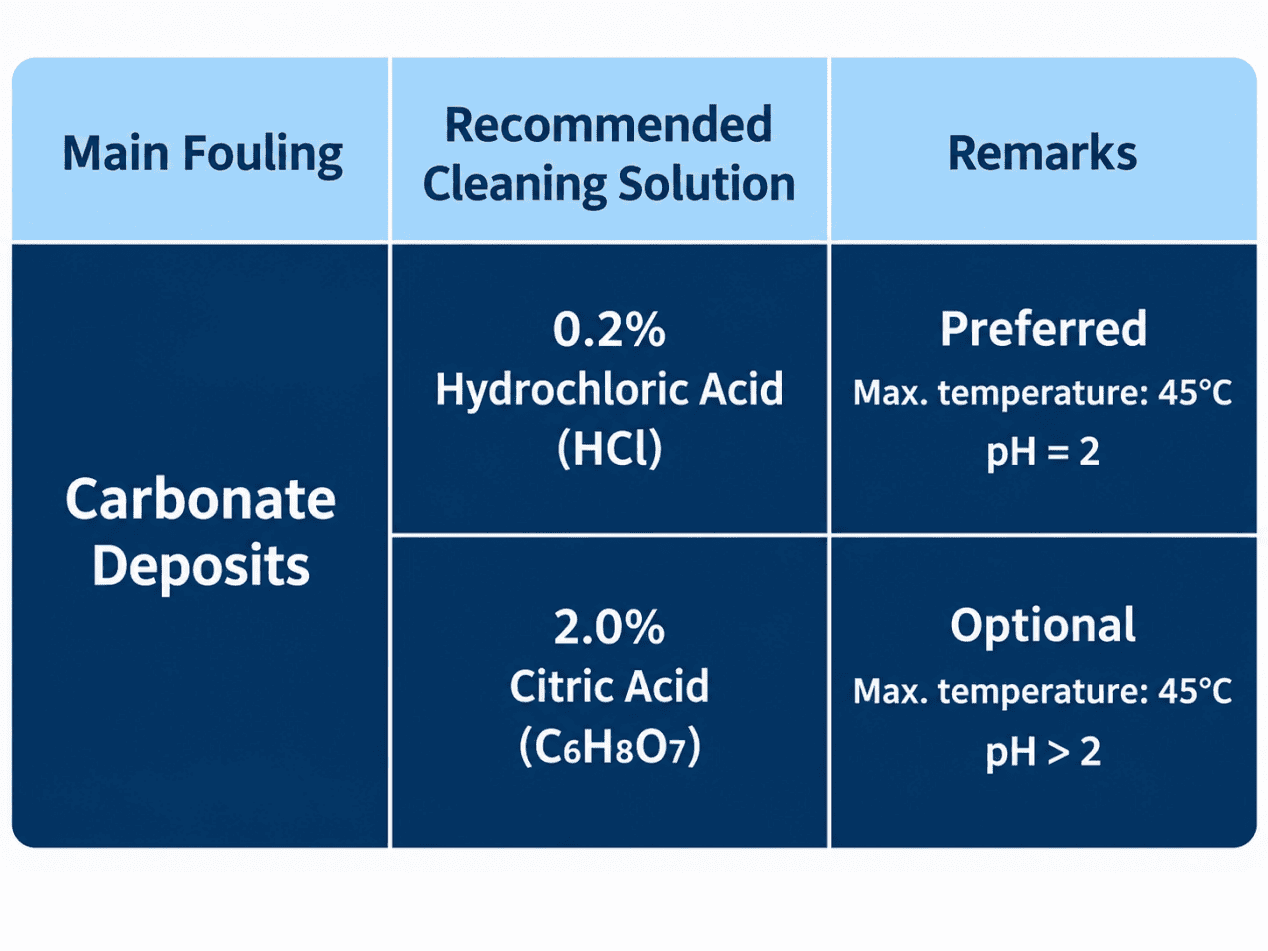
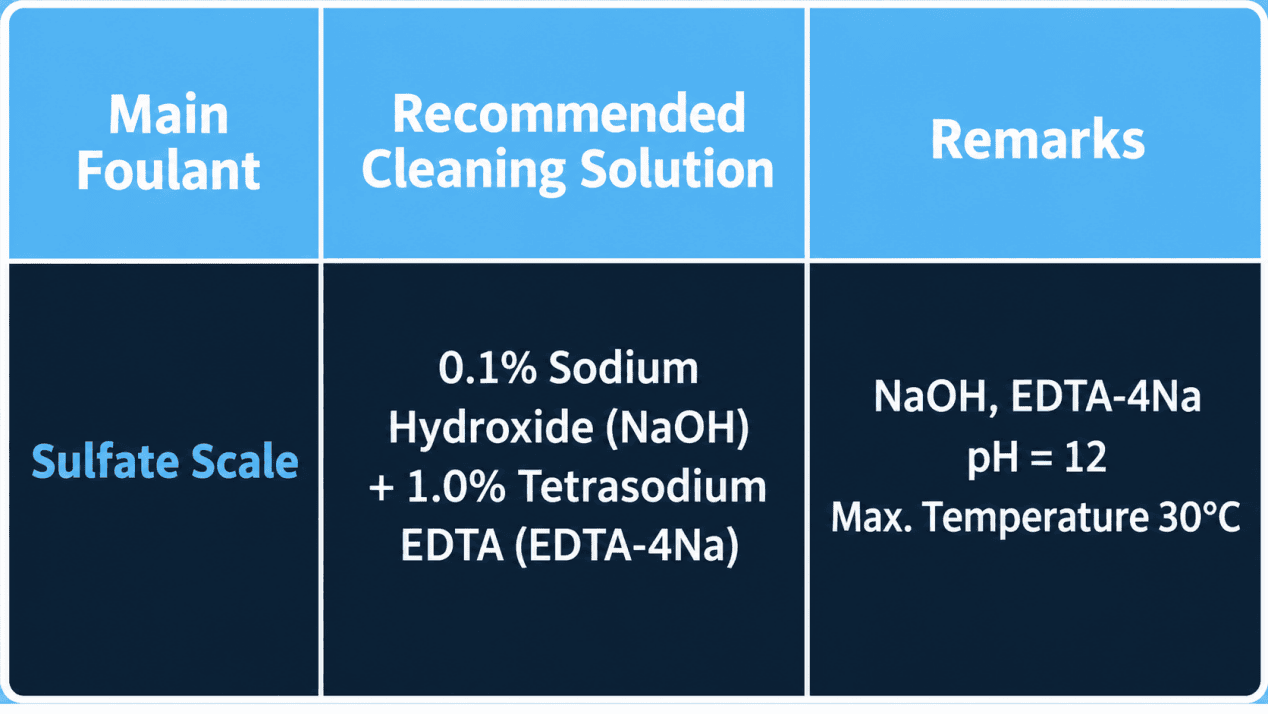
You need an acidic solution to dissolve the scale.
- For carbonate scale (like limestone): Use citric acid or hydrochloric acid.
- For sulfate scale (much harder to dissolve): You’ll need a specialized sulfate scale cleaner with the right pH and temperature control.
Inorganic Colloids — Like “Mud” Coating the Membrane
Typical Symptoms
Unlike scale, colloidal fouling is a slow burner. You’ll see gradual, steady changes in permeate flow and ΔP (both getting worse over time). The fouling usually shows up first in Stage 1 (the feed end). Permeate conductivity might rise slightly.
Plain-English Diagnosis
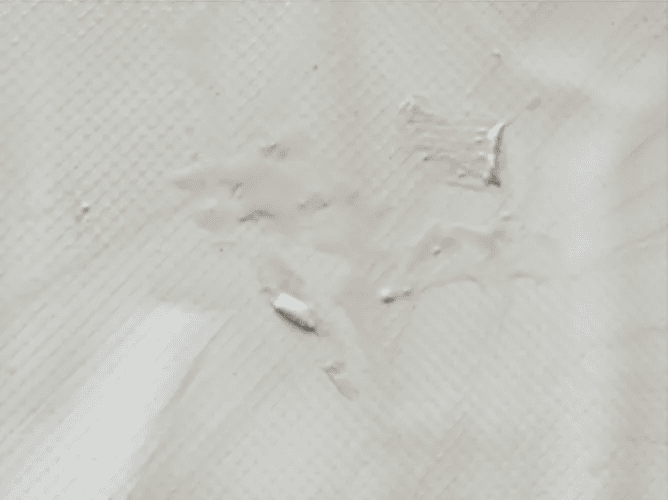
Picture the fine clay, silt, and silica-aluminum particles suspended in river water. They carry electrical charges and tend to stick to the membrane surface, forming a dense, gel-like “mud layer.” Stage 1 sees the raw feed first, so it takes the initial hit.
Cleaning Strategy
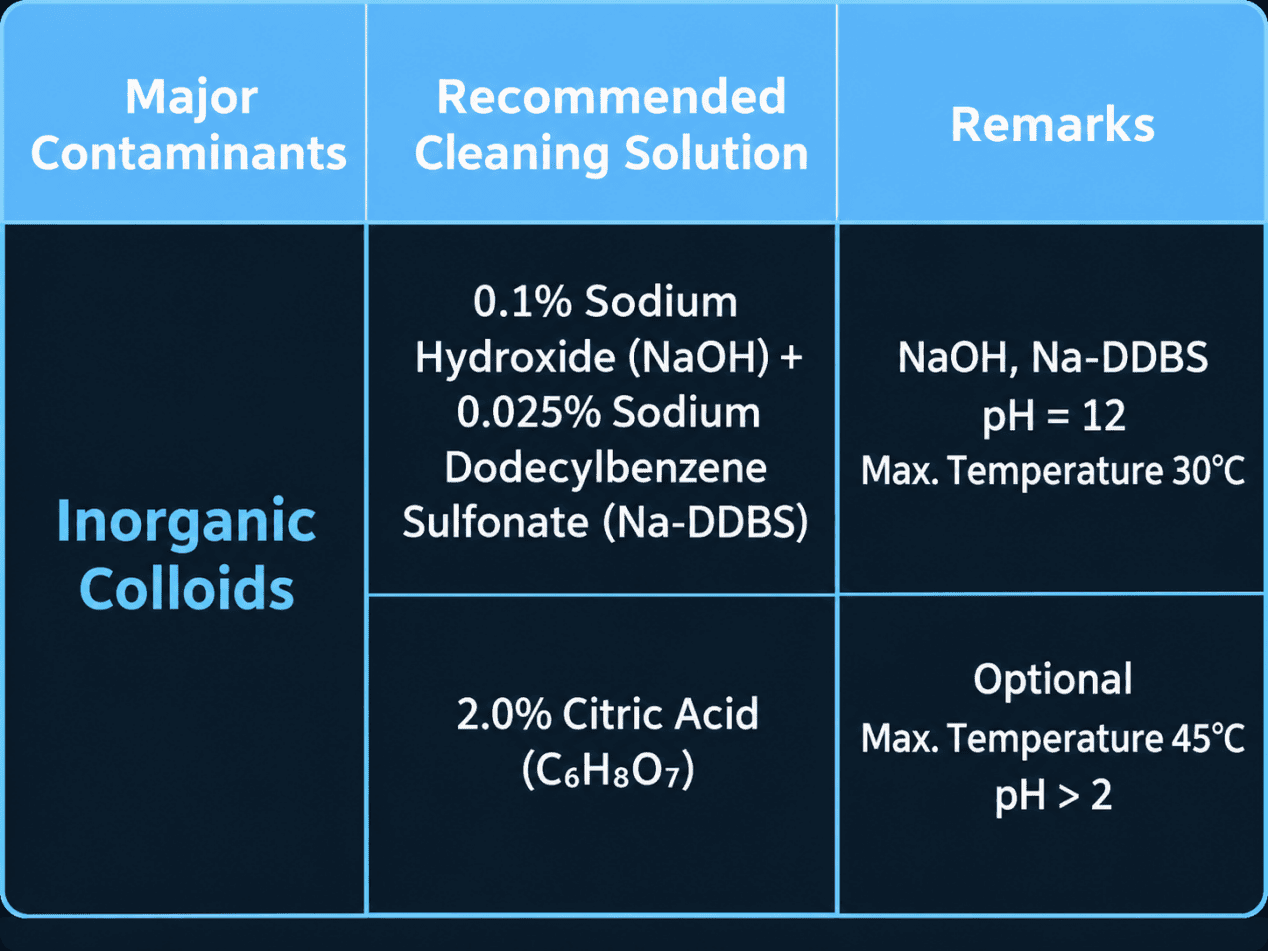
To remove colloids, you need a high-pH alkaline cleaner, often with heat, to “peel” these organic/inorganic gels off the membrane. A standard sodium hydroxide (caustic) formulation is often effective here.
Biological Fouling — The Membrane Becomes a “Petri Dish”
Typical Symptoms
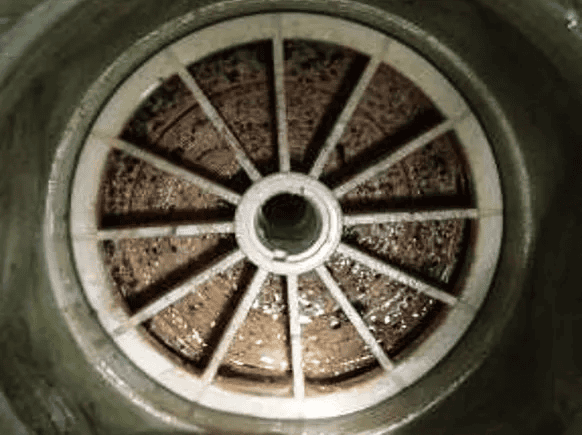
This is one of the most aggressive types. Symptoms often come on strong and fast. You might see a sharp increase in ΔP across both stages, permeate flow dropping quickly, but conductivity might not change much (because the biofilm itself doesn’t conduct electricity).
Plain-English Diagnosis
The membrane surface is growing a “bio-slimy mat.” This is especially common during system shutdowns (stagnant water lets bacteria multiply) or when using feed water with high organic content, like surface water, reclaimed wastewater, or seawater. Microbes multiply rapidly, and their sticky biofilm can choke flow channels fast.
Cleaning Strategy
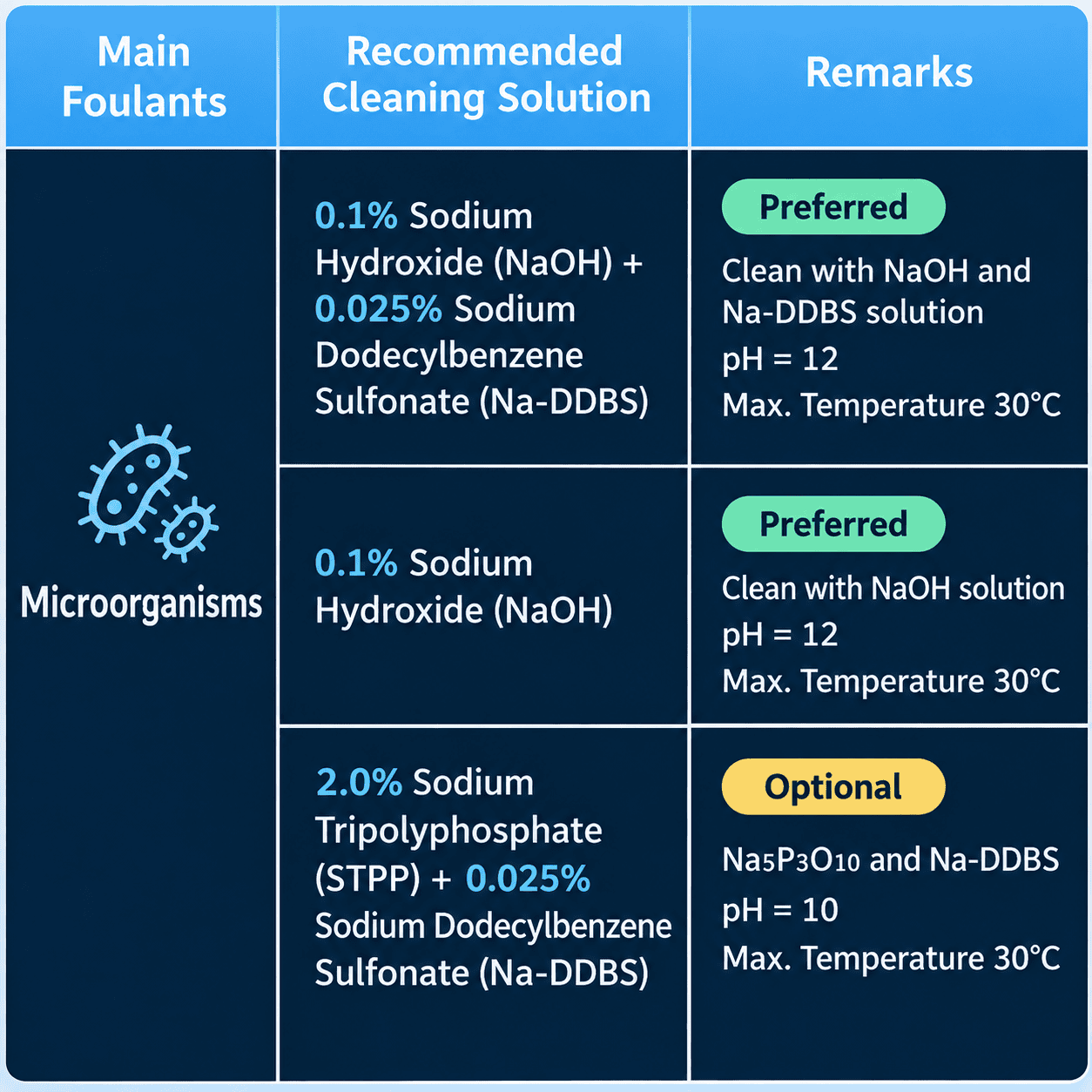
Kill the germs first, then clean. Start with a non-oxidizing biocide (like DBNPA) circulation to kill the bacteria, then follow up with an alkaline cleaner to wash away the dead biofilm and biological slime from the membrane surface.
Organic Fouling — “Grease” Sticking to the Membrane
Typical Symptoms
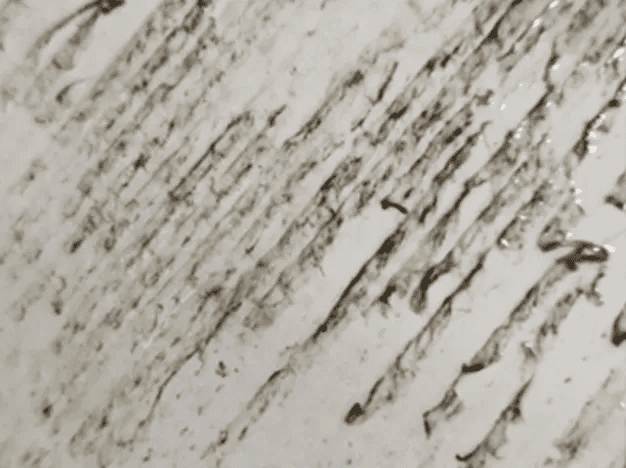
The main sign is a significant drop in permeate flow, but salt rejection (product quality) might stay roughly the same or show only a minor change.
Plain-English Diagnosis
This comes from natural humic acids, industrial oils, or surfactants in the water. They form an “oil film” over the membrane surface that blocks water passage but doesn’t affect salt blocking as much. Systems using surface water, wastewater, or seawater face higher risks of organic fouling.
Cleaning Strategy
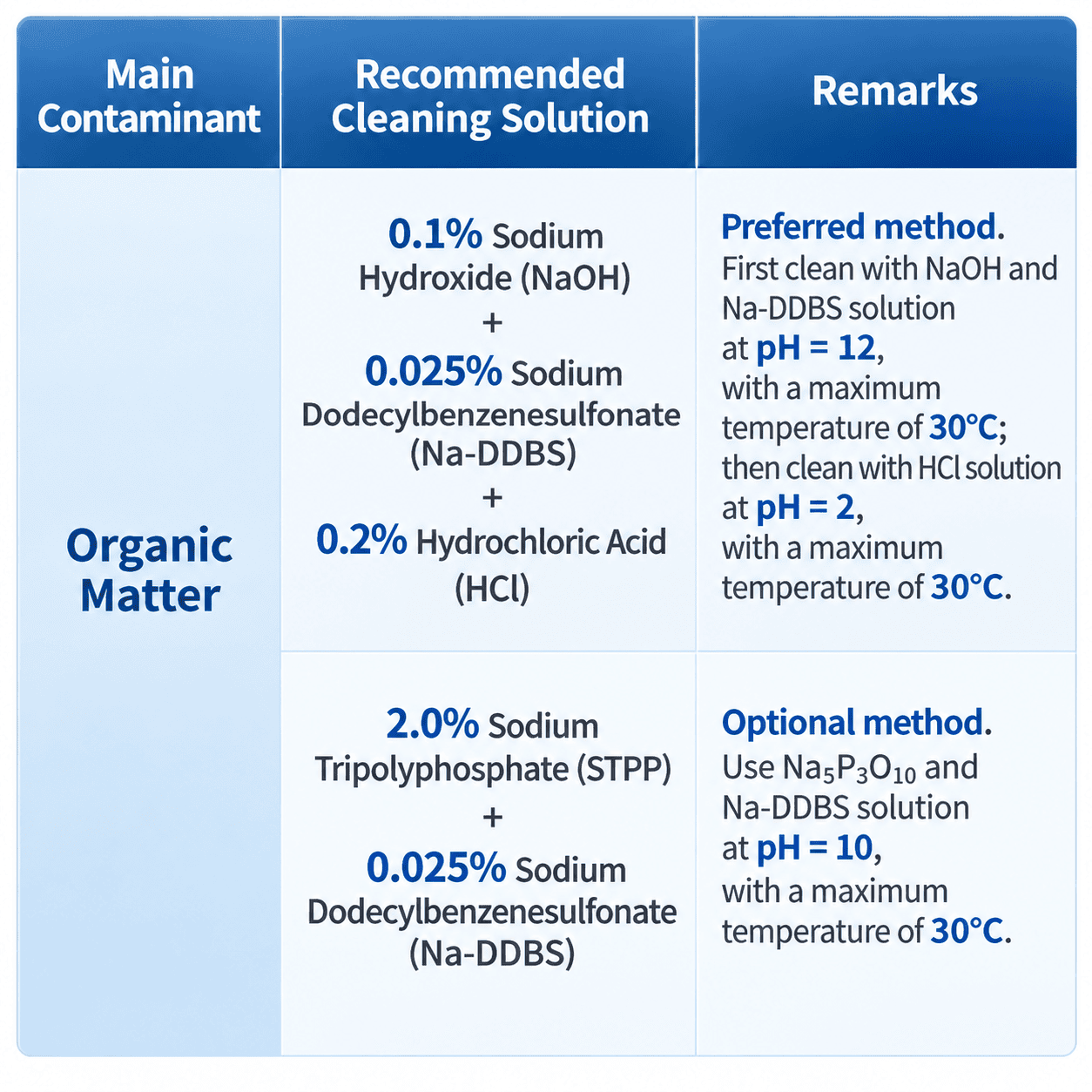
You need a strong alkaline cleaner, sometimes with added surfactants or enzymes, to “emulsify” and break down these organic pollutants and wash them off the membrane.
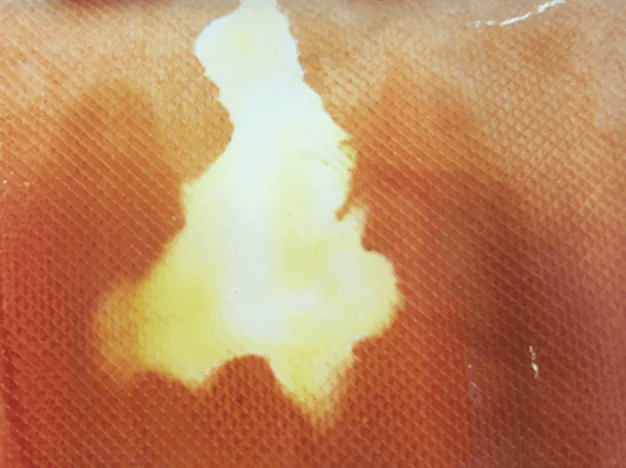
Metal Compound Fouling — Rust and Metal Deposits
Typical Symptoms
This type hits multiple indicators: permeate flow drops, salt rejection declines (water quality gets worse), and membrane element ΔP increases.
Plain-English Diagnosis
This usually happens when pretreatment fails to remove iron, manganese, or other metal ions, which then oxidize into insoluble metal oxides or hydroxides—think yellowish-brown rust deposits. These coat the membrane, plug pores, and may even catalyze membrane oxidation. Iron fouling is the most common.
Cleaning Strategy
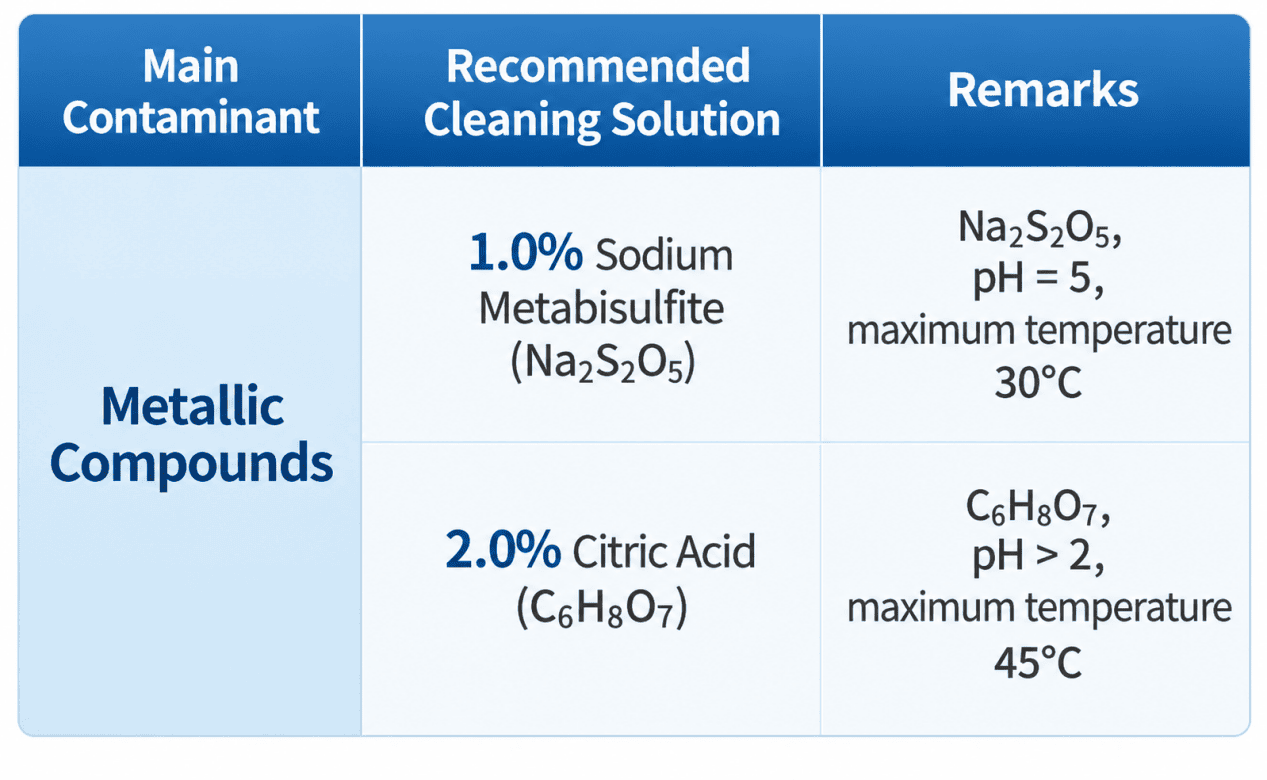
You need an acidic reducing agent, like sodium bisulfite (SBS) or citric acid with a reducer, to convert the insoluble high-valent metal ions into soluble lower-valent forms that can be flushed away.
Bottom Line: Diagnose Before You Clean
When dealing with membrane fouling, remember this golden rule: Don’t blindly replace membranes, and don’t blindly clean them.
- Diagnose first: Watch the trends in permeate flow, ΔP, and conductivity, and note where the issue shows up (Stage 1 or Stage 2).
- Then treat: Match your cleaning chemistry to the identified fouling type.
Need Help Confirming the Fouling Type?
Share your normalized operating data, feedwater analysis, membrane model, and recent maintenance history with AquaClarion for a project-specific review.
Contact AquaClarion ↗