RO + EDI Ultrapure Water System
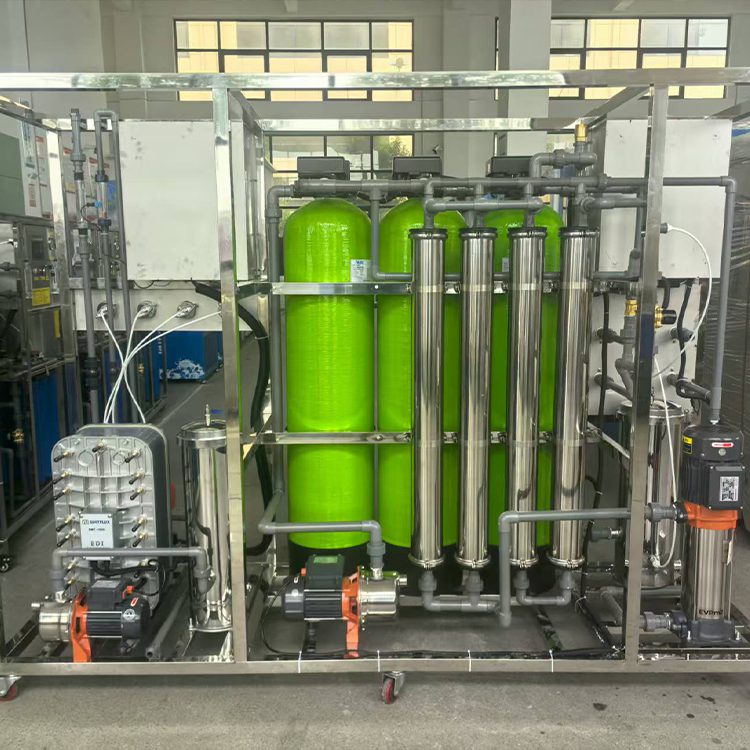
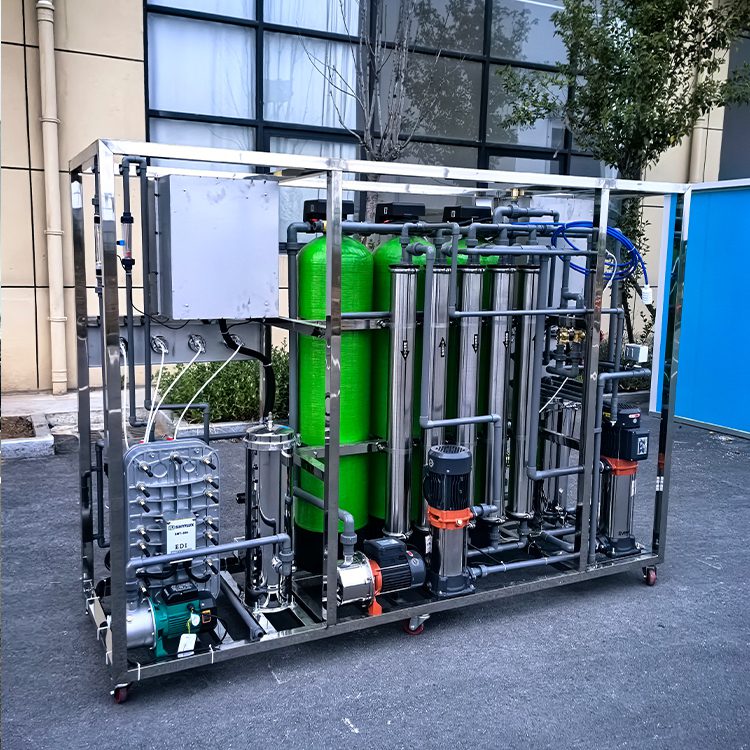
500-1000 LPH RO + EDI High-Purity Water System
A 500-1000 L/h high-purity water treatment solution combining reverse osmosis with continuous electrodeionization. The final configuration is matched to the source water, RO permeate quality, target conductivity and application requirements.
500-1000 L/h Capacity
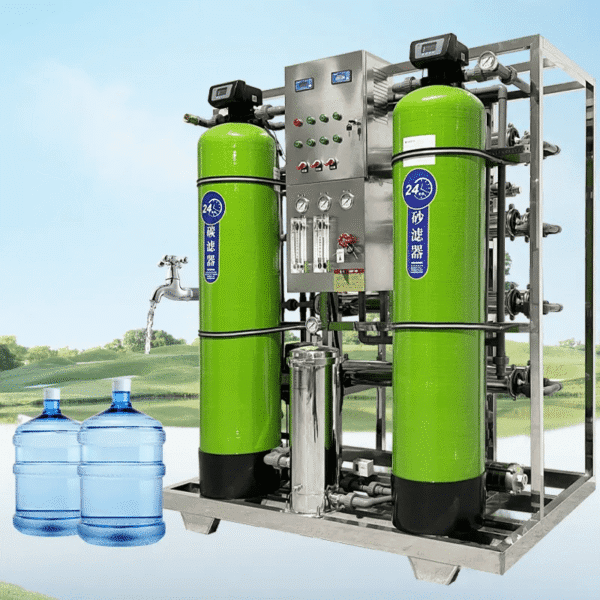
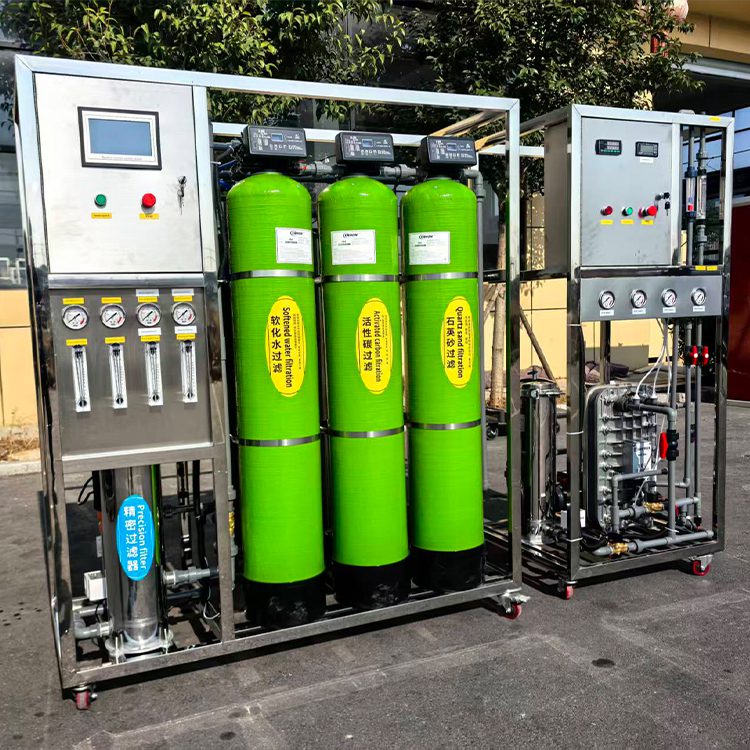
MMF Pretreatment
ACF Pretreatment
Resin Softening
RO + EDI purification
Factory tested before shipment



BUILT AROUND YOUR WATER
Not Just a Standard EDI Machine
EDI performance depends heavily on the quality of the water entering the EDI module. For most projects, suitable RO permeate is used as the EDI feed.
RO Permeate First
The EDI section should receive suitable RO permeate. Upstream pretreatment and RO configuration are selected according to the original feed water.
Target Conductivity Matters
The polishing concept, EDI module selection and monitoring points should be matched to the verified final-water quality requirement.
Integrated Monitoring
Conductivity or resistivity monitoring can be arranged at key points across the RO and EDI treatment train according to the project.
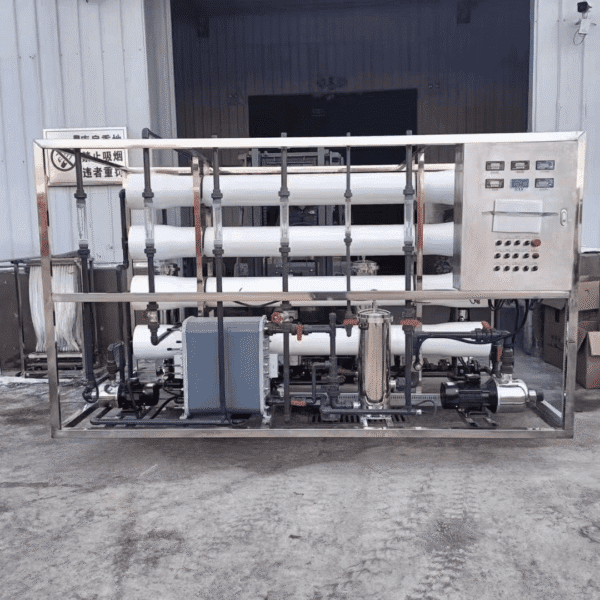
Core Components of an RO System
Pump brands, piping materials and RO membrane options can be selected according to project budget, water quality, hygiene requirements and local service preferences.

Water Pump
Choose the pump brand according to project budget, duty point, local service requirements and customer preference.
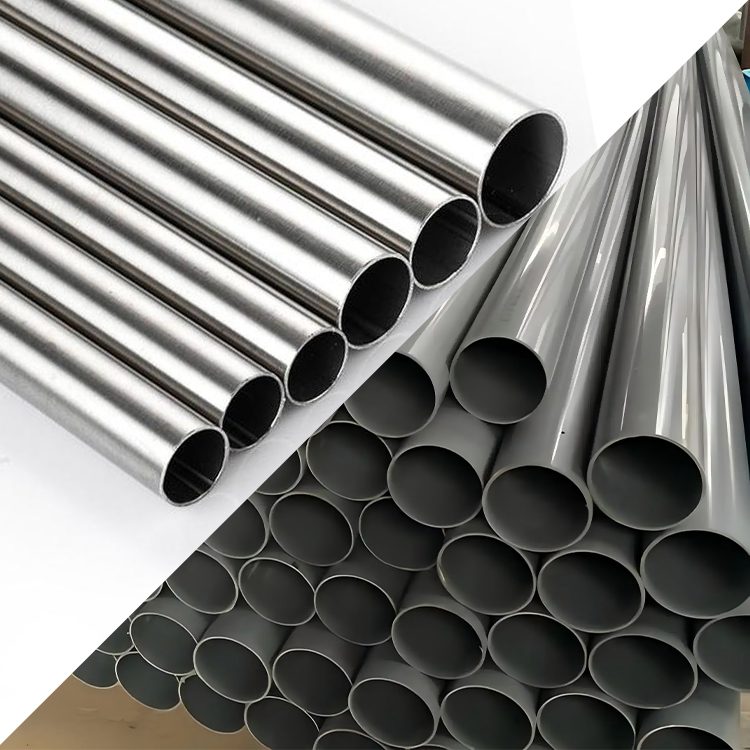
Pipe Material
Select piping based on hygiene level, corrosion resistance, project budget and application requirements.

RO Membrane
Choose the RO membrane brand, element size, and array based on factors such as water quality, flow rate, local services, and budget.
TYPICAL CONFIGURATION
0.5-1 T/H RO + EDI System Specifications
The values below describe a typical design basis only. Final EDI configuration should be confirmed from the source-water analysis, RO permeate quality and required final-water standard.
- Product TypeRO + EDI High-Purity Water System
- Nominal Capacity500-1000 L/h (0.5-1.0 m³/h)
- EDI Feed-Water RequirementSuitable for reverse osmosis permeate (typically allows a conductivity of ≤1–10 µS/cm)
- RO StageConfigured to provide suitable feed water for the EDI module
- EDI StageContinuous Electrodialysis (EDI) Polishing
- PretreatmentDefined by original source-water analysis
- Water Quality MonitoringConductivity / resistivity monitoring as required
- Membrane Selection4040 model is typically used, with brands such as Ovay or Vontron
- AutomationAutomatic / PLC control options according to project requirement
- CustomizationPumps, UV, piping, controls and monitoring points etc..
TREATMENT PROCESS
How a 500-1000 LPH RO + EDI System Works
- Raw Water
- Pretreatment
- Single RO / Double RO
- RO Pure Tank
- EDI Module
- UV / Polishing*
- High-Purity Water
*Optional post-treatment depends on the required application and final-water standard.
APPLICATIONS
Where 0.5-1 TPH RO + EDI Capacity Fits
A 500-1000 L/h RO + EDI system is suitable for projects that need a continuous supply of lower-conductivity, higher-purity process water, subject to the required final standard.
- Laboratory and analytical water preparation
- Electronics and precision manufacturing process water
- High-purity industrial process-water applications
- Boiler-feed polishing where lower conductivity is required
- - Central high-purity-water distribution systems
- Cosmetics and high-purity process water
DESIGN EXAMPLE
From RO Permeate to High-Purity Water
Aquaclarion first checks the original source water and designs the upstream RO stage. The EDI module is then selected around the RO permeate quality, required capacity and final conductivity or resistivity target.
WHY AQUACLARION
Designed for Real Project Conditions
- 10+ years of industrial water treatment experience
- Solutions supplied to customers in 78+ countries
- Water-analysis-based equipment selection
- Factory testing before packing and shipment
- Installation manuals, videos and remote technical support
What we need before quotation
Send us the feed-water source, available water-analysis report, required final-water flow, operating hours, application, target conductivity or resistivity, storage requirement and distribution-loop information. These details allow us to select the appropriate pretreatment, RO configuration and EDI module.
Can EDI treat raw water directly?
EDI is normally used as a polishing stage after suitable upstream purification, commonly reverse osmosis. The original source water still determines the pretreatment and RO design.
What feed water does the EDI module require?
The EDI module should receive suitable reverse osmosis (RO) permeate. Typically, the incoming liquid must have a conductivity of 1–10 us/cm. However, the actual requirement depends on the selected EDI module and the project design.
What product-water conductivity can the system achieve?
The final conductivity or resistivity depends on the quality of the reverse osmosis (RO) product water, the selection of the electrodialysis (EDI) module, and the operating conditions. Typically, it can reach up to 18.2 MΩ·cm.
Can UV or additional polishing be added after EDI?
Yes. UV and other post-treatment or polishing stages can be added when required by the application and final-water quality specification.
What information is required for a quotation?
Please provide the source-water analysis, required capacity, application, operating hours and target final-water quality. If EDI is being added to an existing RO system, provide the available RO permeate data as well.