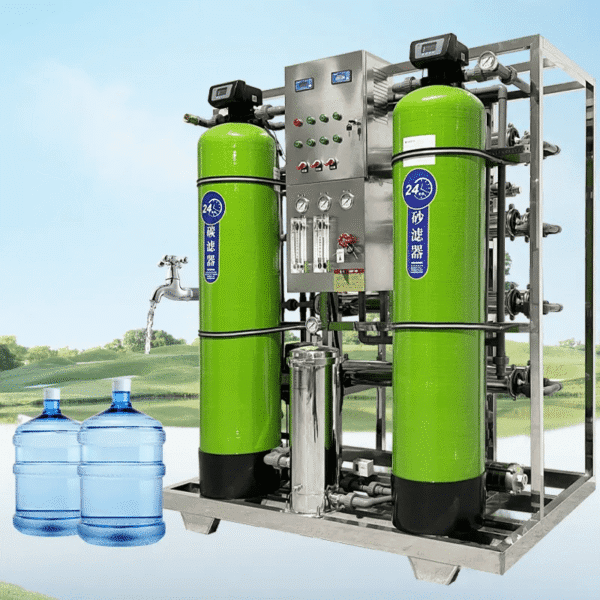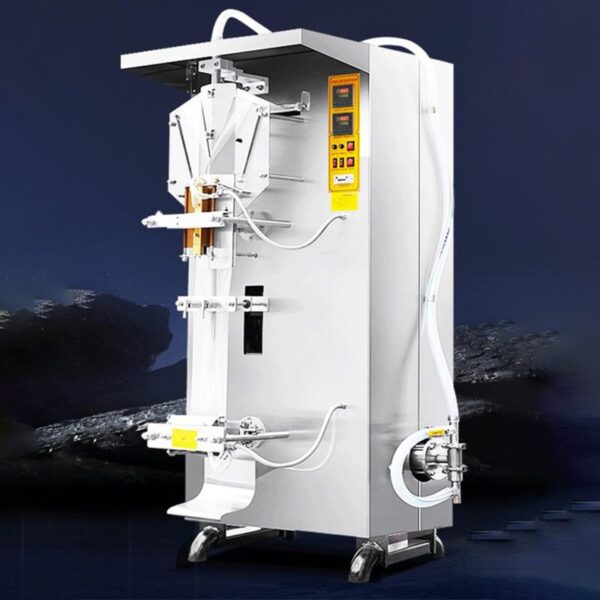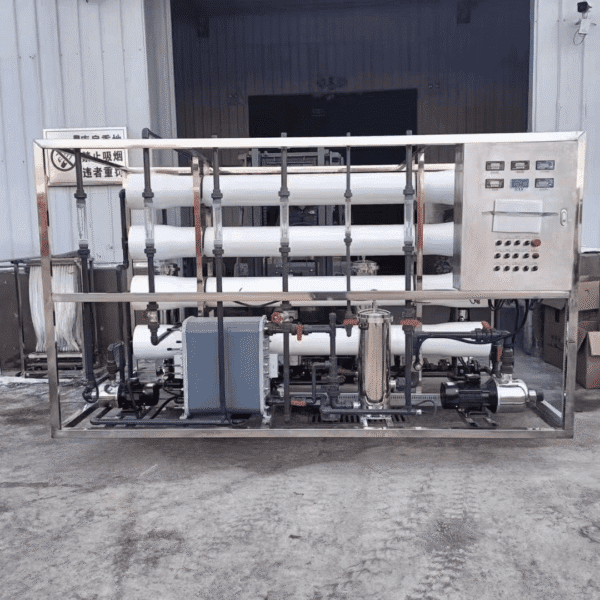
Industrial Water Pretreatment
Multi-Media Filtration System
An industrial pretreatment solution designed to reduce suspended solids, precipitates, and turbidity, as well as soften water, prior to entry into reverse osmosis systems. The filtration media and system configuration are selected based on the quality, hardness, flow rate, and application of the feedwater.
Custom capacity
MMF Pretreatment
ACF Pretreatment
Resin Softening
Suspended-solids Reduction
RO Pretreatment Compatible

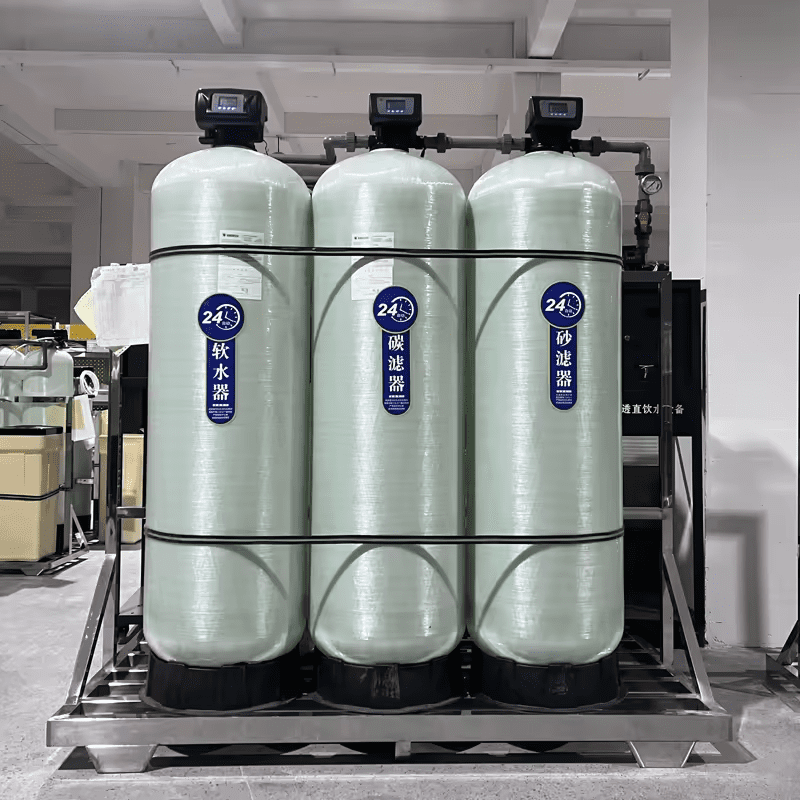

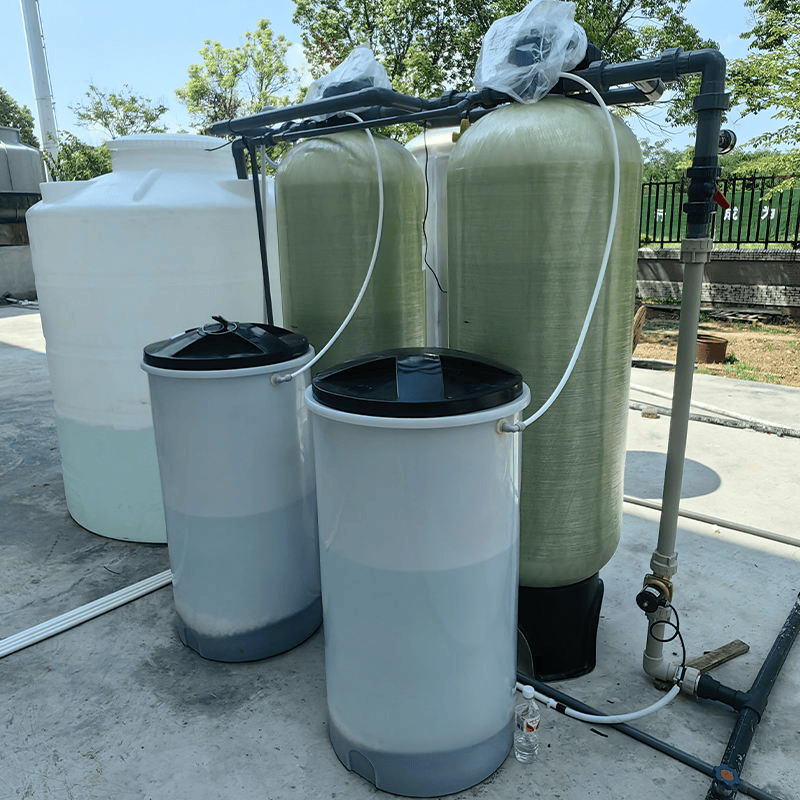


BUILT AROUND YOUR WATER
Not Just a Standard Sand Filter
A multi-media filter should be configured around the actual suspended-solids load, turbidity, iron and manganese conditions, required flow and the equipment installed downstream.
Water Analysis First
Feed-water quality determines whether the system should use standard clarification media, manganese-removal media or a different pretreatment combination.
Layered Filtration
Different media layers can be arranged to capture particles progressively and reduce the solids load before finer filtration or membrane treatment.
Downstream Protection
Multi-media filtration is commonly used before cartridge filters, activated carbon, softeners, RO systems and other process-water equipment.
Common Filtration Media
Media such as quartz sand, activated carbon, ion exchange resin, and maifan stone are selected based on the specific water quality.
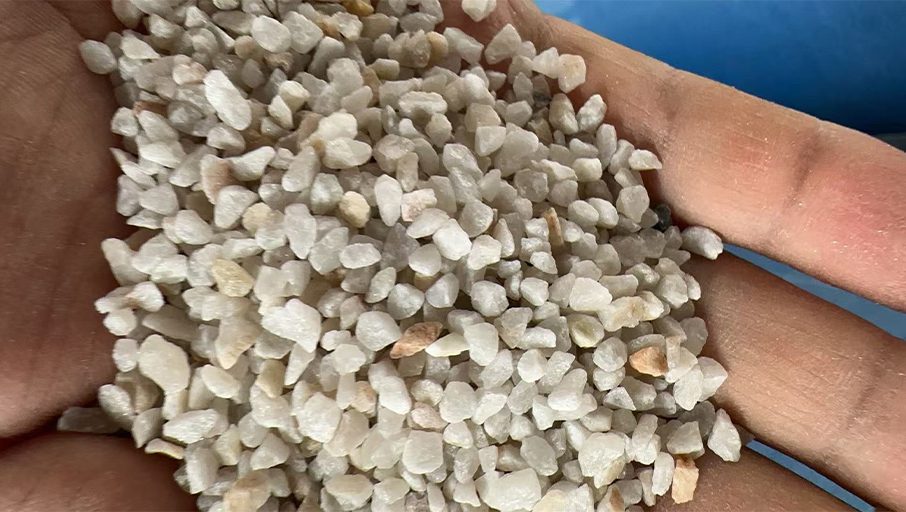
Quartz Sand
Commonly used for reducing sediment, suspended solids and turbidity in pretreatment systems.
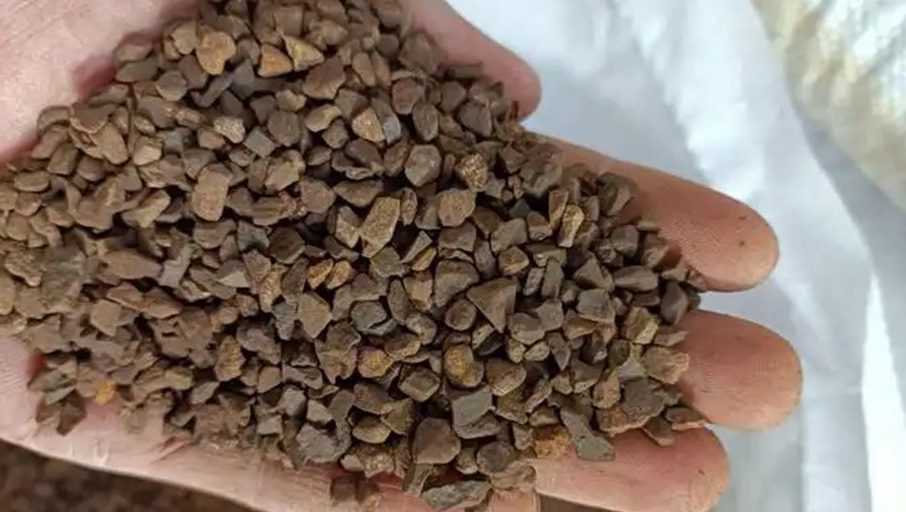
Manganese sand
Selected when the water analysis indicates a suitable iron- or manganese-removal requirement.

Anthracite
It is often used as part of a layered media bed to trap colloidal particles and is highly effective at adsorbing organic compounds.
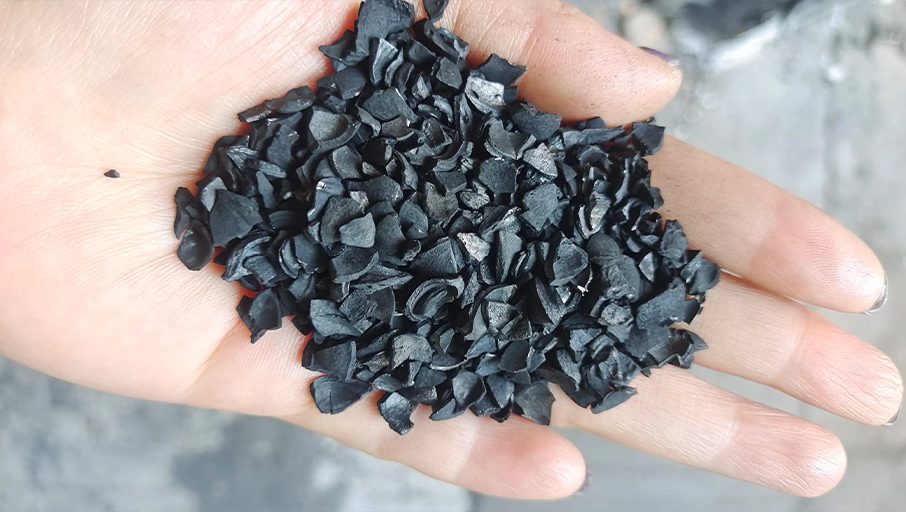
Activated Carbon
Commonly used to reduce chlorine, odor, color and certain organic impurities before downstream treatment.

Resin ions
Used when the project requires hardness removal, softening or specific ion-exchange pretreatment before the next process stage.

Maifan Stone
Used to improve the taste and quality of the water at the RO outlet, add some mineral elements, and slightly raise the pH, etc…
TYPICAL CONFIGURATION
Multi-Media Filtration System Specifications
The table below is a design-basis template. Final vessel size, media quantity, flow rate and backwash requirements should be confirmed from actual project conditions.
| Product Type | Industrial Multi-Media Filtration System |
| Primary Purpose | Reduces suspended solids, lowers turbidity, eliminates discoloration and odor, and softens water quality. |
| Feed Water | Tap water / groundwater / borehole water / other assessed sources |
| Filter Media | Selected according to feed-water quality and treatment objective |
| Typical Media Examples | Use quartz sand/manganese sand/activated carbon/resinions, etc., as needed. |
| Vessel Configuration | Selected according to project flow, pressure and material requirement |
| Control Mode | Manual / automatic options according to project requirement |
| Backwash | Configured according to filter loading and operating conditions |
| Downstream Use | Filter cartridge filtration/reverse osmosis/process water treatment, etc... |
| Customization | Media, valves, vessel material, piping and control arrangement |
Important: Multi-media filters are primarily used to remove suspended solids and turbidity, or reduce water hardness, and are a pretreatment step. They should not be considered an alternative to reverse osmosis if the goal is to reduce dissolved salts or total dissolved solids (TDS).
TREATMENT PROCESS
How a Multi-Media Filtration System Works
- Raw Water
- Feed Pump*
- Multi-Media Filter
- Filtered Water
- Downstream Treatment
- Product Water
*Feed pump requirement depends on available inlet pressure and system design.
APPLICATIONS
Where Multi-Media Filtration Fits
Multi-media filtration is widely used as an upstream clarification stage where suspended solids, sediment or variable turbidity need to be controlled before finer treatment.
- Pretreatment before industrial and commercial RO systems
- Groundwater and borehole-water clarification
- Food and beverage process-water pretreatment
- Boiler and cooling-water pretreatment
- General industrial process-water filtration
DESIGN EXAMPLE
From Raw Water to Stable Pretreatment
Aquaclarion reviews the feed-water source and treatment objective first, then selects the media combination, vessel configuration, control mode and downstream treatment path.
Media selection
Control options
Pretreatment use
WHY AQUACLARION
Configured for the Complete Water-Treatment Process
- 10+ years of industrial water treatment experience
- Solutions supplied to customers in 78+ countries
- Water-analysis-based equipment selection
- Factory testing before packing and shipment
- Installation manuals, videos and remote technical support
What we need before quotation
Send your feed water source, water analysis report if available, required capacity, application and target water quality. This allows us to recommend a more accurate system instead of guessing from TDS alone.
Multi-Media Filtration System FAQ
What does a multi-media filtration system remove?
It is mainly used to reduce suspended solids, sediment and turbidity. The actual removal performance depends on the media selection, filter loading and feed-water condition.
Can a multi-media filter reduce TDS?
No. A multi-media filter primarily removes suspended solids, sediment, turbidity, and particulate impurities from water. It does not significantly reduce Total Dissolved Solids (TDS), such as dissolved salts and minerals. If TDS reduction is required, a reverse osmosis (RO) system is typically recommended. Multi-media filtration is often used as a pretreatment step to protect RO membranes and improve overall system performance.
Can manganese sand be included?
Yes, when the water analysis indicates that iron or manganese treatment is required and the media is suitable for the project conditions. The final media arrangement should be confirmed from the water report.
Can the system use automatic backwash?
Manual or automatic control arrangements can be configured according to project requirements. Backwash frequency and flow should be selected from the actual loading and vessel design.
Can this filter be installed before an RO system?
Yes. Multi-media filtration is commonly used as a pretreatment stage to reduce the suspended-solids load before cartridge filtration and RO membrane treatment.
What information is required for a quotation?
Please provide the feed-water source, required flow rate, water-analysis report if available, turbidity or suspended-solids information, application, operating hours and downstream treatment process.