
RO Membrane Technical Guide
Understand seasonal permeate-flow changes, temperature correction, viscosity and salt rejection before adjusting your RO system.
If you work with RO systems, you’ve probably noticed a pattern: higher permeate flow in summer, lower permeate flow in winter. Sometimes water quality fluctuates with the seasons too.
This isn’t your equipment “acting up.” It’s water temperature at work.
Feed water temperature has a significant impact on reverse osmosis membrane performance. The core rule comes down to one sentence:
At the same feed pressure, lower water temperature means lower permeate flow.
In this article, we’ll break down the three major ways temperature affects RO membranes.
1. Impact on Permeate Flow: Every 1°C Change = About 3% Flow Change
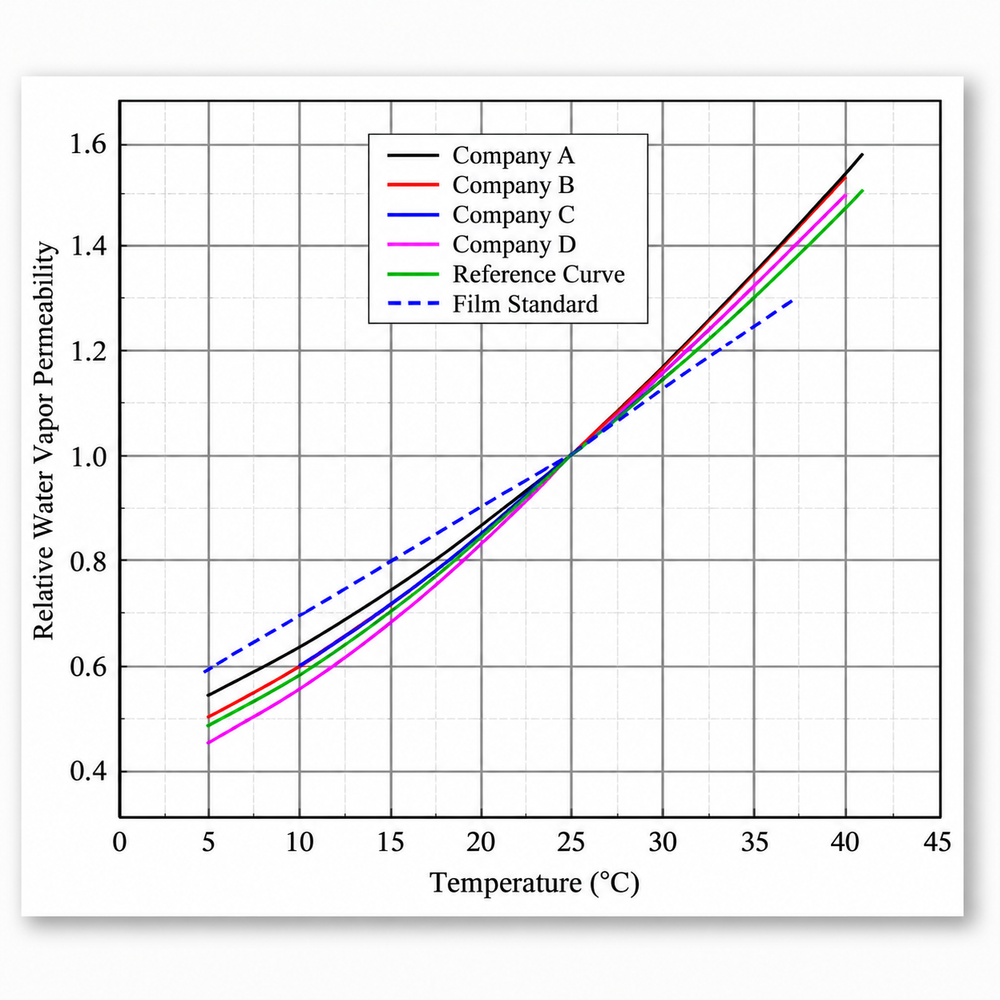
Figure 1 shows the permeate flow vs. water temperature curves provided by major RO membrane manufacturers, all under the same feed pressure. The Y-axis “relative permeate flow” is calculated with the permeate flow at the standard temperature of 25°C set as 1.
From the chart, one key pattern stands out:
In the 15–35°C range, every 1°C change in water temperature changes permeate flow by about 3%.
In other words, if winter water temperature is 10°C lower than summer, permeate flow could drop by roughly 30%. That’s a significant difference.
Also, because water has unusual properties at 4°C, RO membrane manufacturers’ temperature curves generally start from 5°C.
To make it easy to calculate RO permeate flow at different water temperatures, membrane manufacturers provide a temperature correction factor in their technical documents.
2. Why Does Temperature Have Such a Big Impact? Viscosity Is the “Main Culprit”
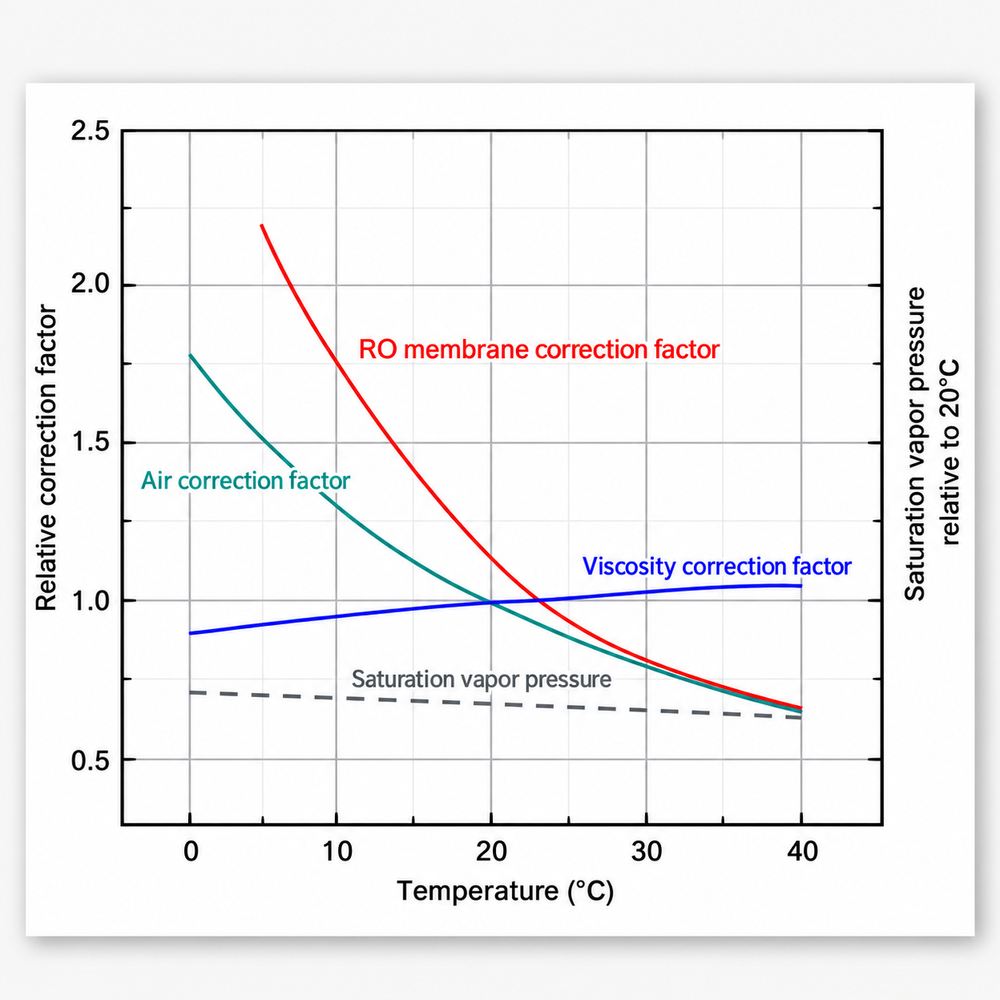
Why does feed water temperature have such a large impact on RO permeate flow?
Because the three main factors affecting water permeation rate — feed water viscosity, surface tension, and osmotic pressure — all change with water temperature.
Figure 2 shows the relationship between these three main factors and water temperature. From the chart, it’s clear that:
Feed water viscosity has the biggest impact.
In plain terms: when water temperature drops, water becomes more “viscous.” Water molecules move more slowly, resistance through the membrane increases, and permeate flow drops. Conversely, when temperature rises, water becomes “thinner,” water molecules pass through the membrane more easily, and permeate flow increases.
3. Impact on Salt Rejection: Higher Temperature, Lower Salt Rejection
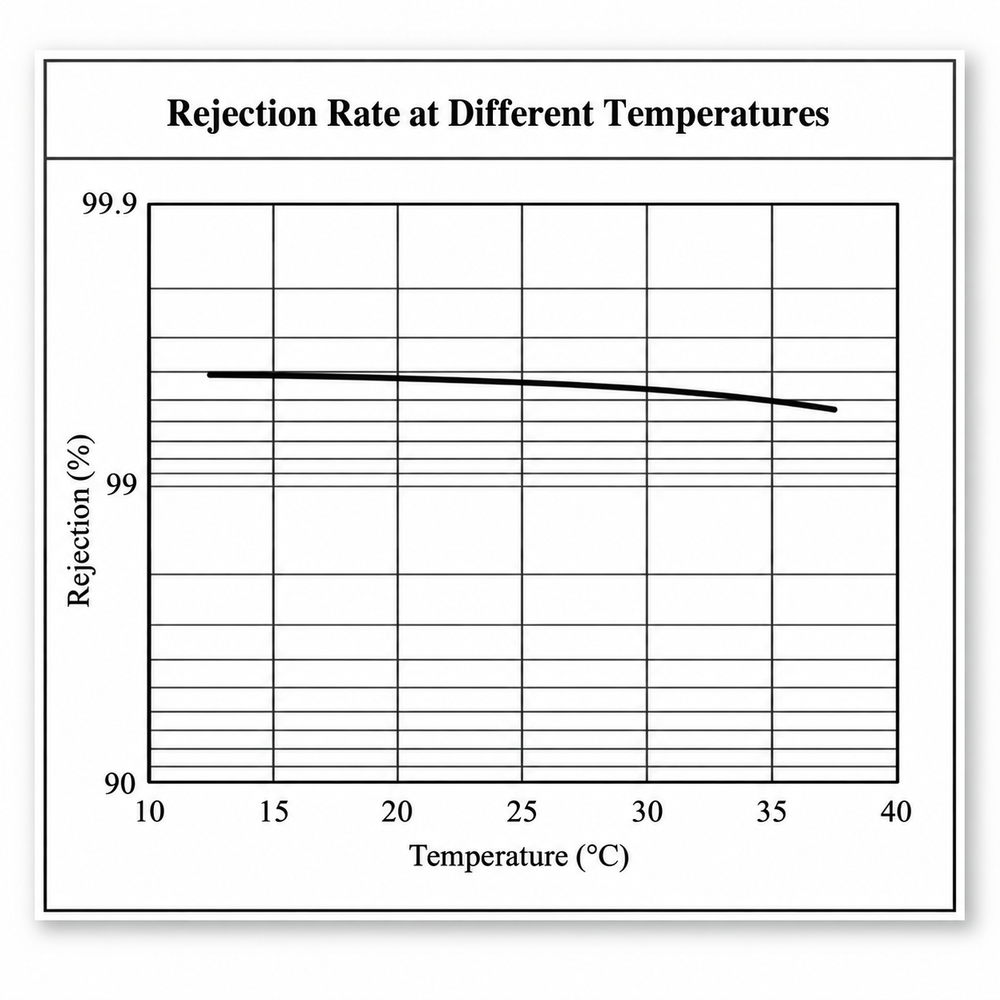
Under constant feed water quality, feed pressure, and recovery rate, the effect of water temperature on RO membrane salt rejection is shown in Figure 3:
As feed temperature rises, membrane salt rejection decreases. Conversely, at lower temperatures, membrane salt rejection is higher.
Why? Because as temperature rises, solute passage rate also increases — meaning salt passes through the membrane more easily to the permeate side. This raises permeate conductivity and lowers salt rejection.
That’s why summer may give you higher permeate flow, but slightly worse water quality compared to winter.
Bottom Line
RO membrane elements are highly sensitive to feed water temperature changes. Feed temperature directly affects water viscosity and the movement rate of salts, which in turn affects membrane permeate flux and salt rejection.
Remember these core rules:
- Permeate flow: Lower temperature means lower permeate flow. In the 15–35°C range, every 1°C change means about 3% change in permeate flow.
- Main cause: Feed water viscosity has the biggest impact. Cold water is more viscous, creating more resistance through the membrane.
- Salt rejection: Higher temperature means lower salt rejection because salt passage rate increases with temperature.
- Practical tip: Lower permeate flow in winter is normal. Check temperature first — don’t rush to replace membranes.
If you’re dealing with temperature-related issues in your RO system, or want to know how to adjust operating parameters seasonally, feel free to contact us. We can help you develop the most suitable operating plan based on your actual conditions.
Need Help With Seasonal RO Performance?
Share your feedwater temperature, pressure, flow and conductivity trends with AquaClarion. We can help interpret the data and recommend suitable operating adjustments.
### Excerpt
Draft article-design template for reviewing AquaClarion’s unified technical-post layout.